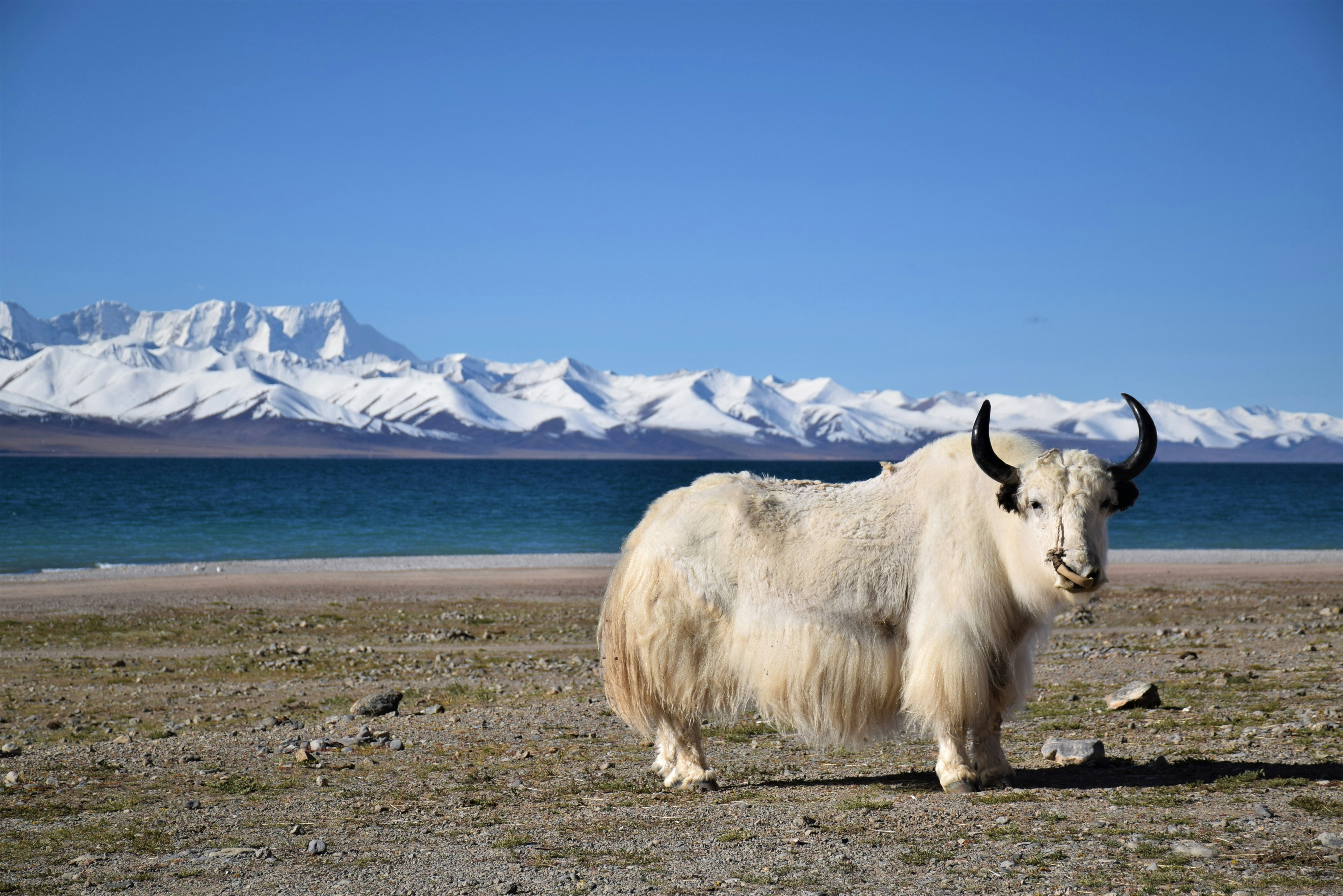
A journey into humanity's most sacred territory — where every monastery, every holy lake and every trail carries a depth that no photograph can fully convey.
Tibet, China
Difficulty: Moderate to Challenging
Altitude: 3,650m – 5,200m
Best: April–October
Special visa required (Tibet Permit)
01 — Overview
Why travel to Tibet?
Tibet is not a destination for everyone — and that is precisely why Nomadica chose it as our first focus. This sacred plateau sits at 4,000–5,000m altitude, where the air is thin, the light is unlike anywhere else, and every morning you wake to the distant sound of chanting.
This is the land of the most intact Tibetan Buddhist culture in existence — ancient monasteries a thousand years old, sacred Namtso Lake reflecting the sky, and the pilgrimage circuit around Mount Kailash revered as holy ground by Hindus, Buddhists, Jains and Bon practitioners alike.
Nomadica designs Tibet journeys with meticulous preparation — not just logistics and visas, but physical readiness, mental readiness, and cultural respect.
About altitude — please read first
Acute Mountain Sickness (AMS) affects approximately 50% of first-time visitors to Tibet. Mild symptoms: headache, fatigue, disturbed sleep. Severe symptoms can be dangerous. Nomadica will provide a full briefing and design an appropriate acclimatisation schedule — this is our top priority, not a footnote.
"This journey is not for everyone."
Tibet requires good physical fitness, no serious cardiovascular or respiratory conditions, and readiness for certain physical discomforts. If you are unsure, contact Nomadica first — we will give you an honest assessment.
Why Tibet with Nomadica?
◆Thorough briefing on altitude, health and pre-trip preparation
◆Experienced and trusted local partners based in Lhasa
◆Acclimatisation schedule designed for safety — unhurried, deliberate
◆Full support for Tibet Permit and China visa applications
◆Small groups only — not mass tourism; every detail is controlled
Price reference
Upon consultation request
Pricing depends on group size, duration and itinerary. Contact us to receive a quote tailored to your group.
02 — Culture & Spirituality
What you will discover
Tibet is not merely scenery — it is the most profound spiritual civilisation still intact in the world. Every element you encounter carries layers of meaning that go far beyond what the eye can see.
Potala
Palace of 1,000 rooms
The Potala Palace sits at 3,700m, built from the 7th century with over 1,000 rooms, 10,000 artefacts and 200,000 statues. Once the seat of the Dalai Lama — now Tibet's most sacred symbol.
Kora
Pilgrimage around the sacred mountain
Tibetans believe that circumambulating Mount Kailash once erases a lifetime of negative karma. Some devotees prostrate fully along every step of the 52km route — a journey that takes weeks. This is genuine spiritual practice, not performance for tourists.
Lungta
Wind horses carrying prayers to the sky
Lungta (wind horse) prayer flags are strung across mountain passes, house gates and suspension bridges. When the wind blows, Buddhist scriptures are sent skyward. Not decoration — this is how Tibetans pray every day.
Thangka
Maps of the Buddhist mind
Each hand-painted thangka takes from three months to five years to complete. Not merely artwork — these are spiritual maps encoding an entire Buddhist philosophy within each line and colour.
Namtso
Sacred turquoise lake at 4,718m
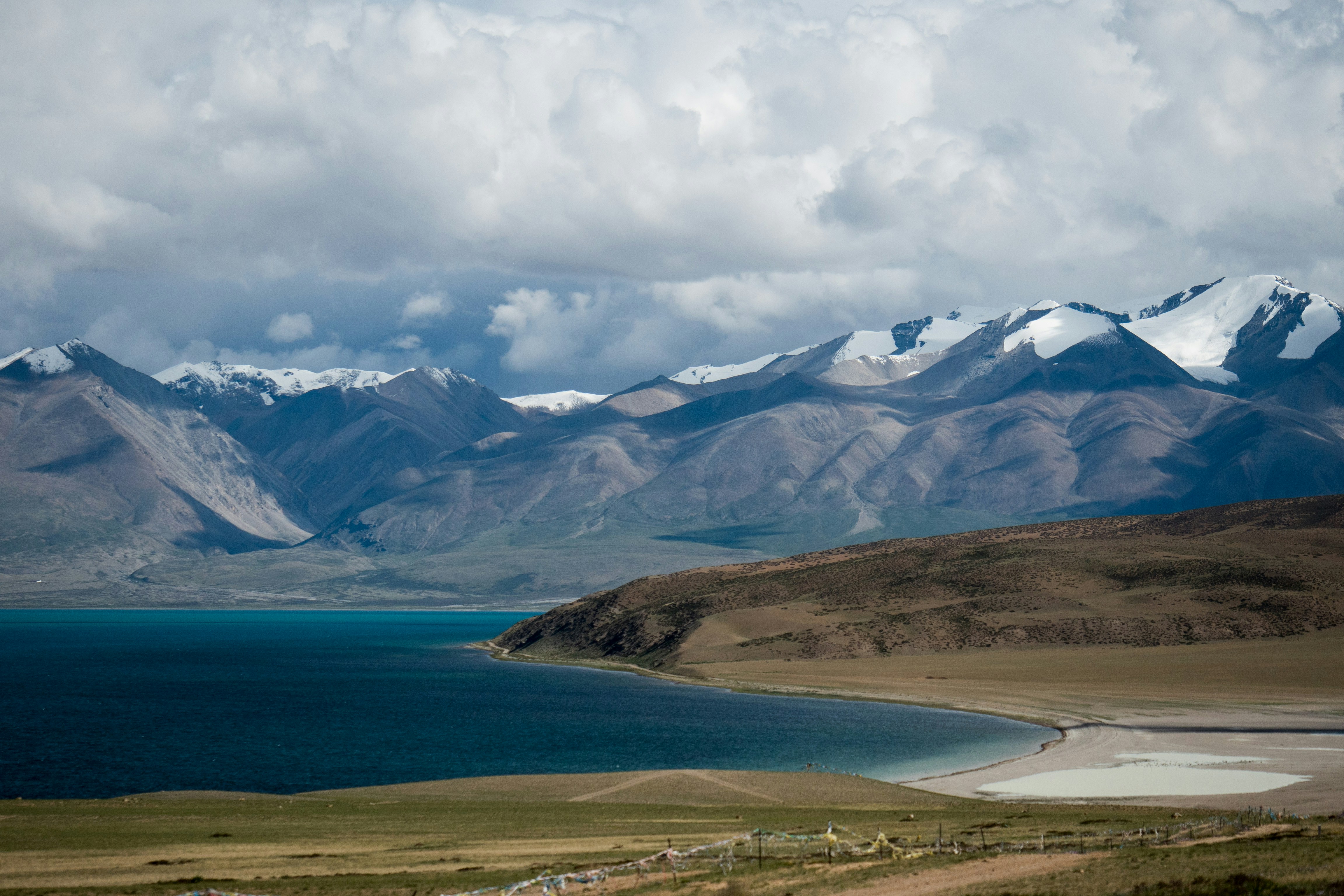
Namtso is Tibet's largest saltwater lake, at an altitude of 4,718m. Its deep blue feels almost unreal — reflecting the sky and the snow-capped Nyenchen Tanglha range. In Bon tradition, this is where the gods reside.
Debat
Philosophical debate every afternoon
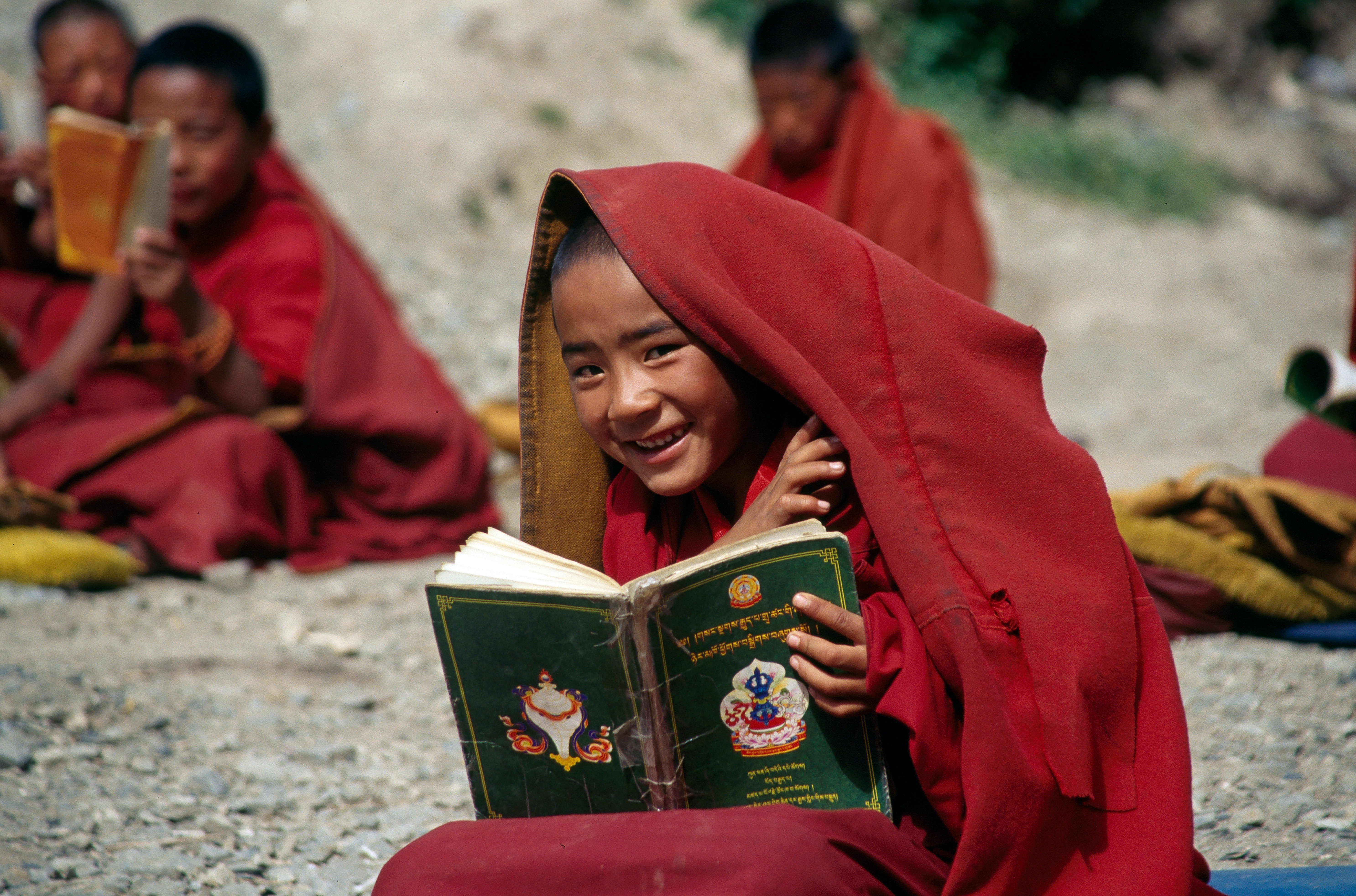
At Sera Monastery, monks debate Buddhist scriptures each afternoon in a distinctive ritual — shouting, clapping, moving across the courtyard. This method of learning within Tibetan Buddhism has endured for over 600 years.
02 — Upcoming Journeys
Choose your journey
From 8 to 16 days — each itinerary is designed with a different level of difficulty, duration and experience.
8 daysEasy
From$1,200/person
Best: April–June & September–October
Mystical Lhasa & Namtso Lake
The ideal journey for first-time visitors to the Roof of the World — Potala Palace, thousand-year-old monasteries and the shimmering sacred lake of Namtso.
Potala PalaceJokhang TempleNamtso Lake 4,718mBarkhor Market
Days 1–2
Arrival in Lhasa — AcclimatisationLand at Gonggar Airport (3,656m). First two days rest and light walks around the old quarter and Barkhor to allow the body to adjust.
Day 3
Potala Palace & Jokhang TempleExplore the legendary Potala — 13 floors, 1,000+ rooms. Afternoon at the sacred Jokhang Temple where thousands of pilgrims circle daily.
Day 4
Sera & Drepung MonasteriesVisit the two largest monasteries in Lhasa. Afternoon: watch the famous monastic debate at Sera — a spectacle not to be missed.
Days 5–6
Over the Pass to Namtso LakeEarly morning departure crossing Lachen La Pass (5,190m) to Namtso — Tibet's largest saltwater lake. Overnight by the lake under an extraordinary sky.
Day 7
Sunrise over NamtsoFull day at the lake: walking the shore, visiting Tashi Dor peninsula. Witness sunrise reflected on the water — the most sacred moment of the journey.
Day 8
Return to Lhasa — DepartureSouvenirs at Barkhor, farewell lunch with Tibetan cuisine. Transfer to airport or one additional night in Lhasa.
10 daysModerate
From$1,500/person
Best: June–September
The Qingzang Railway: From Xining to Lhasa
Experience the world's highest railway — the Qingzang train crossing the plateau at 5,072m, past salt lakes, vast grasslands and herds of wild yaks.
Xining — Gateway to TibetFly to Xining (2,275m). Visit Kumbum Thubchen Monastery — one of the six greatest Gelug monasteries, renowned for thanka art and butter sculpture.
Day 3
Qinghai LakeChina's largest saltwater lake (3,205m) — famous for vast flocks of migratory birds and sweeping fields of deep purple rapeseed in bloom.
Days 4–5
The Qingzang Train — Overnight Across the Roof of the WorldBoard the legendary Qingzang train at Xining; 24 hours across the Tibetan Plateau, crossing Tanggula Pass at 5,072m. Oxygen-supplied cabins; watch grasslands and wild yaks pass from the window.
Days 6–8
Lhasa — The Sacred CapitalThree days exploring Lhasa: Potala, Jokhang, Barkhor, Drepung and Sera. Gradual acclimatisation with a local Tibetan guide.
Days 9–10
Yarlung Valley & Samye MonasteryVisit the Yarlung Valley — cradle of Tibetan civilisation — and Samye Monastery, Tibet's first Buddhist monastery, built in the 8th century. Return flight from Lhasa.
12 daysChallenging
From$2,200/person
Best: April–May & September–October
Tibet & Everest Base Camp
The ultimate journey — from Lhasa through Shigatse, crossing Gyatso La Pass at 5,248m to stand before Everest from the North at 5,200m altitude.
North EBC 5,200mRongbuk MonasteryShigatse & TashilhunpoGyatso La Pass
Days 1–3
Lhasa — Acclimatisation & ExplorationFirst three days acclimatising in Lhasa: Potala, Jokhang, Drepung, Sera. Monitoring each group member's health throughout.
Day 4
Lhasa → Shigatse via Yamdrok LakeDrive alongside the ethereal turquoise Yamdrok Lake. Cross Karo La Pass (5,010m) to Shigatse — Tibet's second largest city.
Day 5
Tashilhunpo MonasteryHome of the Panchen Lama, with a 26m bronze Maitreya statue — the largest gold-plated copper statue in the world.
Days 6–7
Over Gyatso La Pass → RongbukCross Gyatso La (5,248m) to Rongbuk Monastery (5,100m) — the world's highest monastery, sitting directly below Everest.
Day 8
Everest Base Camp 5,200mStand before the North Face of Everest — the highest peak on Earth just a few kilometres ahead. A moment you will carry for a lifetime.
Days 9–12
Return to Lhasa — DepartureReturn to Lhasa via the southern route, stopping at Gyantse and Palkhor Chode. A full rest day before the return flight.
9 daysModerate
From$1,800/person
Best: January–March (Losar)
Losar Festival & Great Monlam Prayer
Immerse yourself in Tibetan New Year — the mystical Cham dance, tens of thousands of monks and nuns gathering at Jokhang, and exquisite butter sculptures created just once a year.
Lhasa — The Spirit of Tibetan New YearBarkhor Street glowing with lanterns, families preparing offerings, and temples adorned with special Losar decorations.
Days 3–4
Losar — Tibetan New YearNew Year's Eve celebrations at Potala and Jokhang: the mystical Cham dance, sacred fire and all-night chanting.
Days 5–6
Great Monlam — A Sea of Golden RobesTens of thousands of monks and nuns from across Tibet converge on Jokhang, forming a magnificent golden sea. Exhibition of exquisite butter sculptures.
Day 7
Sunning of the Buddha at DrepungThe Sunning of the Buddha ceremony — a 20×30m thangka unfurled across the mountainside, drawing tens of thousands of pilgrims.
Days 8–9
Sera & Free Time — DepartureYear-end monastic debate at Sera, final shopping and memories. Morning of Day 9: transfer to airport.
16 daysVery challengingUltimate journey
From$3,800/person
Best: April–May & September–October
Kailash Kora — Circumambulating the Sacred Mountain
The most spiritually profound and demanding journey in Nomadica's portfolio. Lhasa → Shigatse → Saga → Darchen → 3-day Kailash Kora (52km, Dolma La Pass 5,640m) → sacred Manasarovar Lake. Not for the unprepared.
Dolma La Pass 5,640mManasarovar LakeKailash Kora 52km/3 daysDarchen basecampRemote Western Tibet
Days 1–2
Lhasa — Altitude AcclimatisationArrive in Lhasa (3,650m), rest and acclimatise. Visit Jokhang, Barkhor Street. Physical check and Kailash briefing.
Days 3–4
Potala & Ancient MonasteriesPotala Palace, Sera, Drepung. Day 4: visit Ganden — a meditation monastery perched at 4,500m.
Days 5–6
Shigatse & TashilhunpoDrive over Khamba La Pass (4,794m). Tashilhunpo Monastery — residence of the Panchen Lama. Past turquoise Yamdrok Lake.
Days 7–8
Saga & Into Western TibetTwo days driving west across wild plateau — one of the least-visited parts of Tibet. Overnight in Paryang.
Day 9
Darchen — Kailash BasecampArrive at Darchen (4,560m), first sight of Kailash. Prepare gear for 3-day Kora. Visit the sacred site of Tirthapuri.
Day 10
Kora Day 1: Darchen → Drirapuk (20km)Begin the sacred circuit — walking the western, southern and northern flanks of Kailash. Overnight at Drirapuk (4,960m) beneath the majestic North Face.
Day 11
Kora Day 2: Dolma La Pass 5,640m (16km)The hardest and most sacred day. Ascend to Dolma La — the highest point of the Kora. In Tibetan Buddhist belief, crossing the pass is a ritual of rebirth.
Day 12
Kora Day 3: Completion (16km)Descend back to Darchen, completing the 52km Kora circuit. Soak in hot springs and give thanks. Overnight at Darchen.
Day 13
Manasarovar Lake (4,588m)The world's most sacred lake in Hindu and Buddhist tradition. Bathe your feet, meditate and watch Kailash reflected on the surface.
Days 14–15
Return — Shigatse & LhasaTwo days driving east. Stop at another monastery along the route. Evening of Day 15: back in Lhasa.
Day 16
DepartureFree morning in Lhasa. Afternoon transfer to Lhasa Gonggar Airport. The end of a journey you will never forget.
We recommend at least 2–3 months for your China visa, Tibet Permit and physical preparation. If you have no trekking experience, 4–6 months of training is advisable. Nomadica will advise on a detailed timeline when you get in touch.
AMS is a real concern — but it can be managed with the right plan. Nomadica designs itineraries with acclimatisation days, avoiding gains of more than 400m per day above 3,000m, and always has contingency plans if any group member has difficulties. Most importantly: never hide symptoms.
April–October is the ideal window. May–June and September–October are the best — stable weather, less rain, excellent visibility. July–August can be rainier but landscapes are lush and wildflowers bloom. November–March is very cold and some areas close.
Cost depends heavily on the itinerary, group size, travel dates and accommodation standard. Nomadica does not publish fixed prices — we quote per group and specific needs to ensure the best fit. Contact us to receive a reference quote.
Nomadica designs journeys for groups of 1 or more. Shared group trips typically have 4–10 people. Travelling solo or as a couple is entirely possible — we will design a bespoke itinerary or help match you with a compatible group.
Begin with Tibet
Express your interest
Leave your details — Nomadica will respond within 24–48 hours with the journey suggestion that fits you best.